
Wholesale bulk stun gun dealers have a crucial role in educating customers about Tasers (electronic control devices) and their effects, including variable paralysis durations influenced by current intensity, delivery method, physical characteristics, and environmental conditions. Dealers must understand legal obligations, industry standards, and best practices for safe deployment, minimal use, and avoiding prolonged paralysis, especially among those with medical issues or multiple shock histories.
Paralysis caused by Taser deployment is a complex issue, with duration varying significantly. This article delves into the factors influencing paralysis length, offering insights crucial for both users and dealers. We explore how various elements impact outcomes and why understanding these dynamics is paramount. Additionally, we discuss legal considerations for dealers interested in wholesale bulk stun guns, emphasizing best safety practices to ensure responsible use.
- Understanding Taser Deployment and Its Effects
- Factors Influencing Paralysis Duration
- Legal Considerations for Dealers: Wholesale Stun Guns
- Maximizing Safety: Best Practices for Users
Understanding Taser Deployment and Its Effects
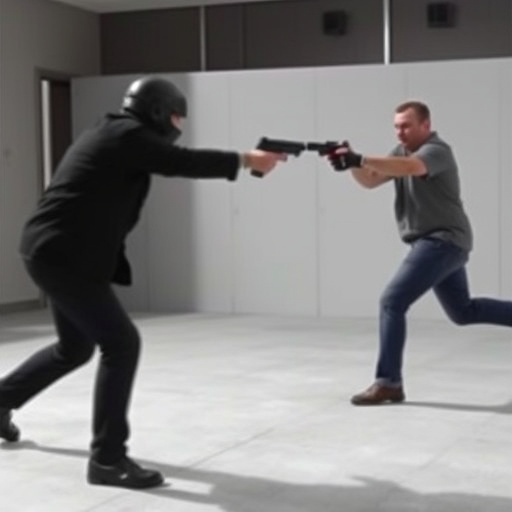
Tasers, or electronic control devices (ECDs), are weapons designed to temporarily incapacitate a target through electric shock. When deployed, they fire two probes connected to wires, delivering a high-voltage pulse that disrupts muscle control in the body, causing muscle spasms and temporary paralysis. The duration of this paralysis can vary based on several factors, including the model of the Taser used, the distance between the device and the target, and individual differences in physical condition and sensitivity.
For wholesale bulk stun gun dealers, understanding these variables is crucial for providing accurate information to their customers. In general, the effects of a Taser are designed to wear off quickly, with full recovery typically occurring within minutes. However, prolonged muscle weakness and discomfort can persist, especially in individuals with pre-existing medical conditions or those who have experienced multiple shocks. Dealers should emphasize that proper training and adherence to safety protocols are essential when using such devices to minimize potential risks and ensure their effectiveness as tools for self-defense.
Factors Influencing Paralysis Duration

Several factors can influence the duration of paralysis caused by a taser deployment, which is crucial information for both law enforcement and individuals interested in purchasing wholesale bulk stun guns for dealers. The first consideration is the electrical current’s intensity and its delivery method. Tasers use high-voltage, low-current electric pulses, designed to disrupt muscle control, but the specific settings and the number of pulses can vary. A longer duration of paralysis may result from more powerful currents or extended pulse sequences.
Additionally, the individual’s physical characteristics play a role. Factors such as body size, weight, muscle mass, and general health can affect how the current flows through their system. For instance, individuals with higher muscle mass might experience shorter durations due to better electrical conductivity, while those with certain medical conditions or medications could be more susceptible to prolonged paralysis. Other external factors like environmental temperature and moisture also matter; extreme conditions can impact the effectiveness of the taser’s electric shock and potentially extend the immobilization period.
Legal Considerations for Dealers: Wholesale Stun Guns
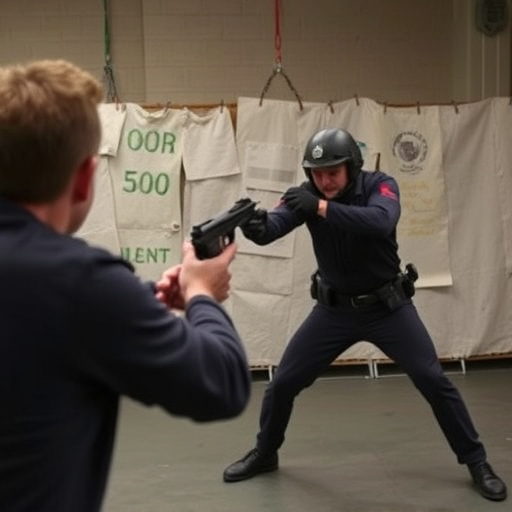
Dealers in wholesale bulk stun guns have a legal responsibility to understand the implications of their product’s use, especially regarding potential cases of prolonged paralysis caused by Taser deployment. In many jurisdictions, laws pertaining to stun gun sales and usage are stringent, focusing on public safety as the paramount concern. These regulations often dictate that dealers must ensure their products are used responsibly and only by authorized personnel who have undergone proper training.
When selling wholesale bulk stun guns for dealers, it’s crucial to consider the legal landscape surrounding Taser technology. This includes being aware of local laws, industry standards, and manufacturer guidelines related to deployment protocols and de-escalation techniques. By adhering to these measures, dealers contribute to minimizing the risk of prolonged paralysis and ensure that their sales align with legal considerations, fostering a safer environment for both law enforcement and the public.
Maximizing Safety: Best Practices for Users
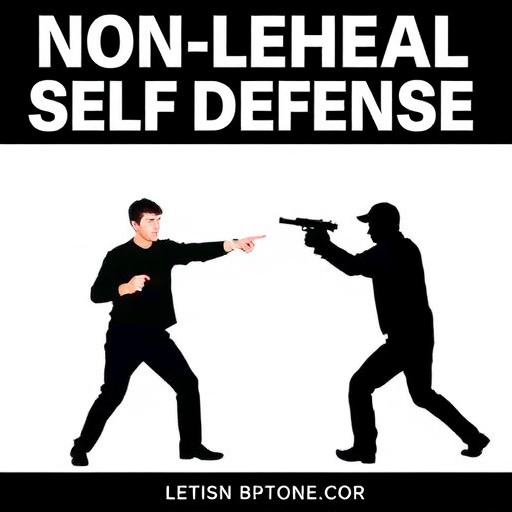
To maximize safety and ensure responsible use, those handling wholesale bulk stun guns for dealers should adhere to best practices. This includes thorough training on proper deployment techniques, emphasizing the minimal time required to incapacitate a target. Users should be instructed to deploy the device only as a last resort, aiming for non-lethal force to minimize the risk of prolonged paralysis.
Additionally, dealers and users must understand the limitations of stun guns. While they can disrupt an assailant’s movements, they do not guarantee permanent disability. Proper use should focus on neutralizing the threat swiftly, allowing for quick de-escalation and minimizing potential side effects from extended immobilization.
Taser deployment can lead to paralysis, with duration varying based on several factors. Understanding these influences and adhering to best practices is crucial for both dealers and users. For dealers considering wholesale bulk stun guns, it’s essential to balance safety with accessibility. By staying informed about legal considerations and implementing safe usage protocols, individuals can navigate this powerful tool responsibly.